Easy Crochet Leaf Border Pattern: Step-by-Step Tutorial
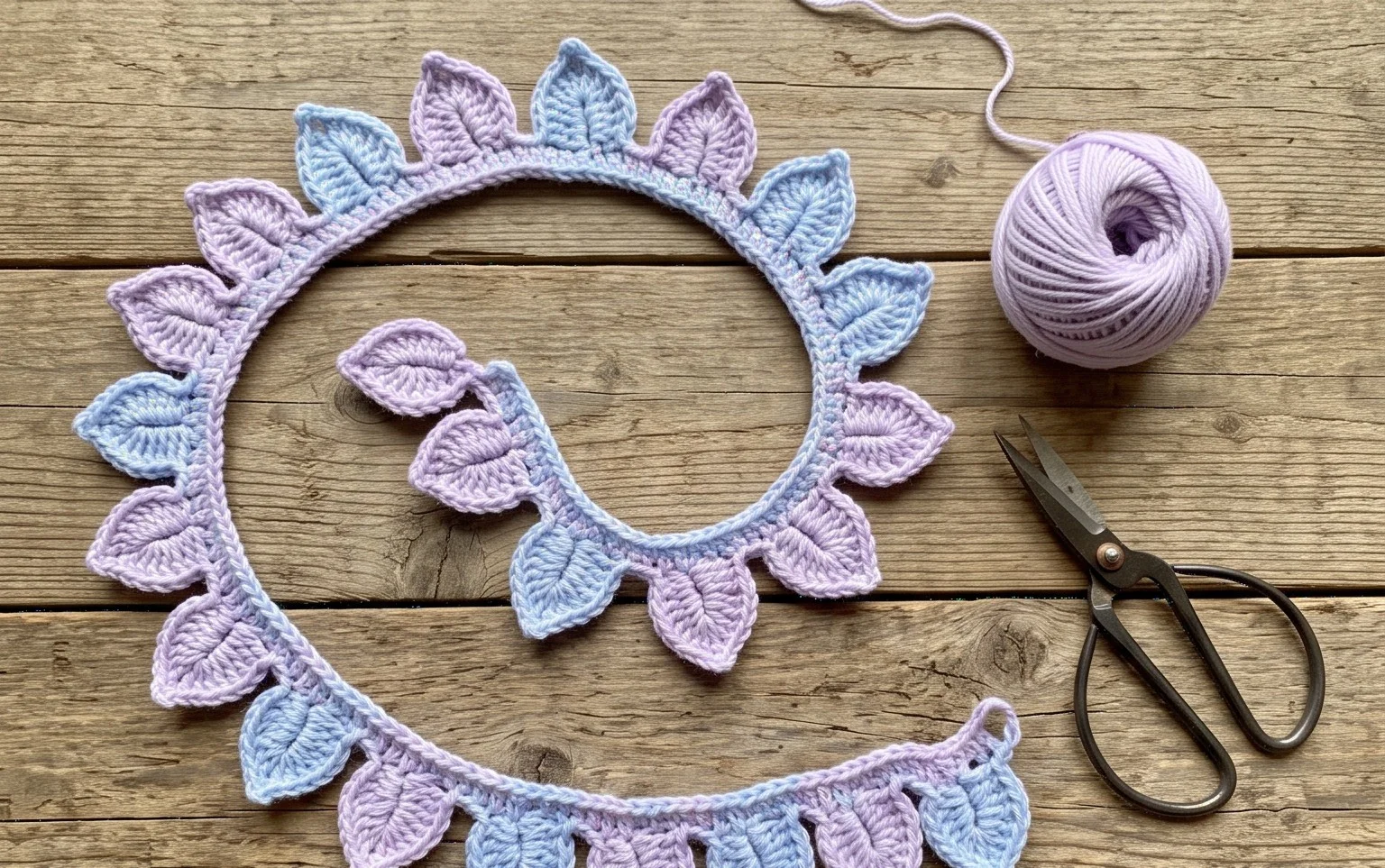
Adding a delicate botanical edge to plain textiles creates a finished piece that feels both organic and intentional. This crochet leaf border pattern provides a soft, scalloped silhouette that works beautifully on dish towels, pillowcases, or even the hem of a child’s blanket. It suits makers who enjoy precise, repetitive motions that yield a high-quality result without needing complex shaping. You will learn to manipulate basic chain spaces and cluster stitches to form each individual leaf shape along your fabric edge. Even if you are newer to the craft, the rhythm of this border becomes intuitive after just a few practice loops.
Why You Will Love This Pattern
This beginner-friendly classic crochet washcloth uses a dense, textured stitch pattern that scrubs effectively without scratching delicate surfaces. It is an ideal project for using up small amounts of leftover cotton yarn from your stash. Because the pattern relies on a simple repeat, it is easy to pick up and put down, making it the perfect travel project for your next commute or relaxing evening. Each washcloth works up in about an hour, providing an instant sense of accomplishment that is hard to beat.
I managed to finish three of these during a single movie marathon and they are the perfect thickness for cleaning dishes. The textured stitch makes them look much more professional than a plain double crochet square.
— Sarah, home crafter
Pattern Overview & Skill Level
- Skill Level: Beginner
- Approximate Time: 45–60 minutes per cloth
- Construction: Worked in flat rows back and forth
- Finished Dimensions: 8 inches by 8 inches
Materials & Supplies Needed
- Yarn: Worsted weight (#4) 100% cotton yarn, approximately 60 yards per washcloth.
- Hook Size: 5.0 mm (US H-8).
- Notions: Tapestry needle for weaving in ends, scissors.
- Yarn Substitutions: Stick to 100% cotton or a cotton-linen blend. Acrylic yarn will not absorb water effectively and is not recommended for kitchen or bath items. Using a lighter weight yarn like DK will result in a smaller square unless you adjust your starting chain and row count accordingly.
Stitch Guide & Abbreviations (US Terms)
- ch = chain
- st = stitch
- sc = single crochet
- dc = double crochet
- sk = skip
- rep = repeat
- Turning ch-1 does not count as a stitch.
Step-by-Step Pattern Instructions
This washcloth is worked in the Grit Stitch, which alternates single and double crochet stitches to create a bumpy, durable texture.
- Foundation: Chain 30.
- Row 1: Sc in the second ch from the hook. *Dc in the next ch, sc in the next ch. Rep from * across until the end of the row. Turn. (29 sts)
- Row 2: Ch 1. Sc in the first dc of the previous row. *Dc in the next sc, sc in the next dc. Rep from * across until you reach the final st. Sc in the last sc. Turn. (29 sts)
- Row 3: Ch 1. Sc in the first sc. *Dc in the next dc, sc in the next sc. Rep from * across until the end. Turn. (29 sts)
- Rows 4–28: Rep rows 2 and 3 until the piece measures 8 inches from the foundation edge.
- Finishing: Fasten off, leaving a 6-inch tail. Weave in all loose ends securely using a tapestry needle to prevent unraveling during the washing process.
Care & Washing Instructions
- Machine wash in warm water on a gentle cycle with like colors.
- Tumble dry on low heat or lay flat in a ventilated area to air dry completely.
- If the cloth loses its shape after drying, dampen it slightly and pull the corners to square it up before laying it flat again.
Pro Tips & Common Mistakes to Avoid
Maintain consistent tension throughout the project to ensure the washcloth remains square rather than trapezoidal. Use a stitch marker in the first stitch of every row to help you identify where to place your final stitch, which prevents accidental decreases. When weaving in your ends, go through the base of the stitches in multiple directions to lock the yarn in place so it survives repeated heavy-duty use. To adjust the size, simply increase or decrease your starting chain by an odd number; adding 2 chains increases the width by approximately half an inch, but remember that you will need more yarn if you make the cloth significantly larger.
Frequently Asked Questions
Can I use a larger hook for this pattern?
Using a larger hook will result in a looser, more open fabric. While this makes the washcloth work up faster, it will be less effective for scrubbing surfaces. Stick to the recommended 5.0 mm hook for a dense, functional fabric.
Is this pattern suitable for complete beginners?
Yes, this is an excellent choice for a first project. It teaches you how to alternate between single and double crochet stitches while keeping your row counts consistent.
How do I keep the edges straight?
The most common mistake is skipping the last stitch of a row. Always count your stitches at the end of every row to ensure you have 29 stitches before turning. Using a stitch marker in the first stitch of every row will help you see exactly where to work your final stitch on the return pass.
Can I sell the washcloths I make from this pattern?
You are welcome to sell finished items made from this pattern in small quantities. Please credit the original design when listing your products online or at local markets.
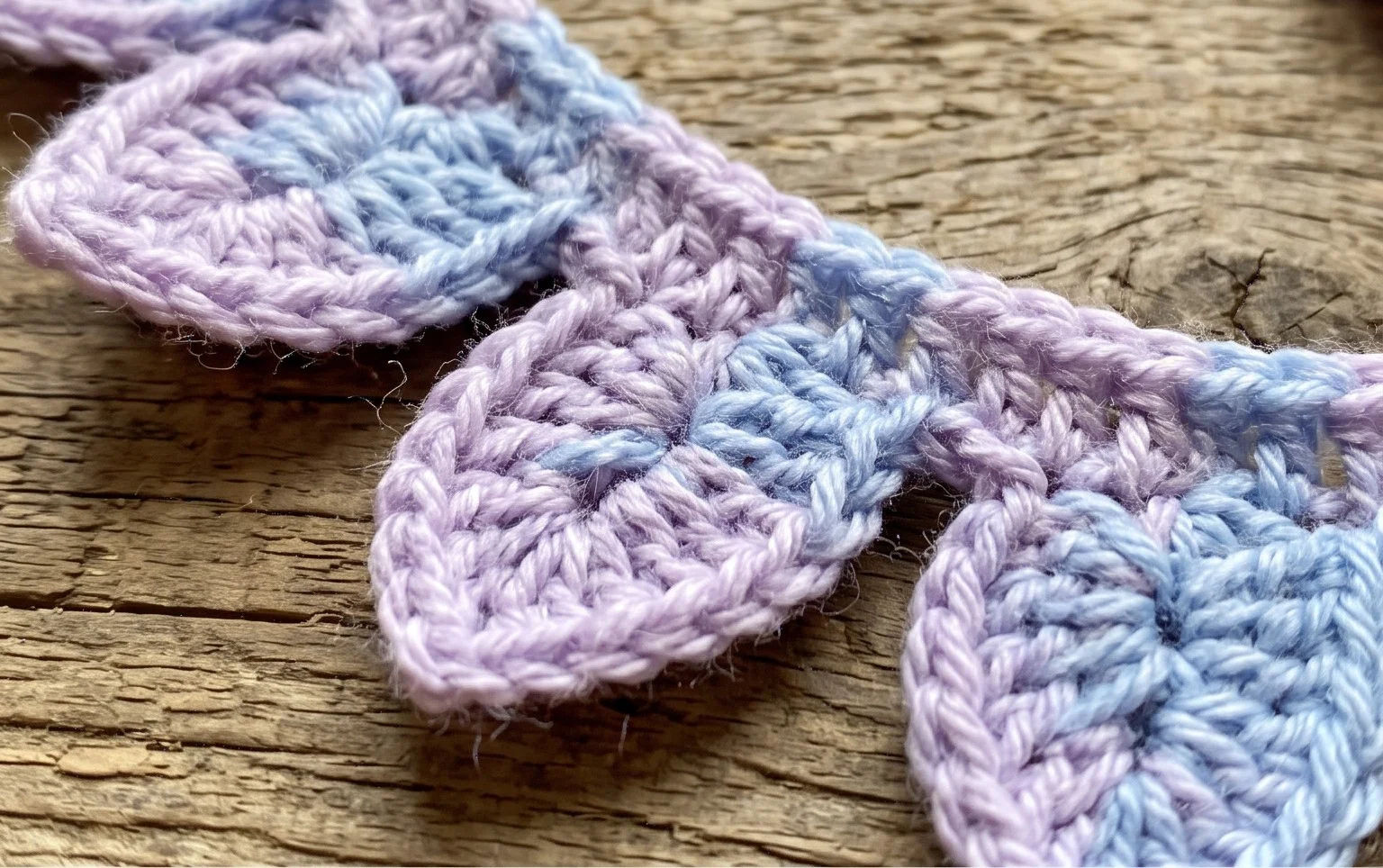
Seeing those uniform little leaves stitched along the edge of your project gives such a sense of completion. You can switch to a variegated wool yarn for a more whimsical look or stick to a crisp white cotton for a classic, clean appearance on kitchen linens. Take a moment to snap a photo of your finished edge and post it where others can see your work. My blog has many more free patterns waiting for your next afternoon session with a crochet hook and a fresh skein of yarn.