How to Crochet a Bullion Stitch: Easy Step-by-Step Guide
Dense, twisted loops form the foundation of this tactile project, creating a dense surface that feels substantial and rich in your hands. Beginners often avoid this technique due to its reputation for difficulty, but you will find that a few simple adjustments to your tension make it quite manageable. This design brings a high-end finish to your home goods, whether you are crafting for yourself or creating a gift for someone who appreciates handmade items. You will master the winding process and the careful hook movement required to create these uniform, plump coils during this quick afternoon session.
Why You’ll Love This Pattern
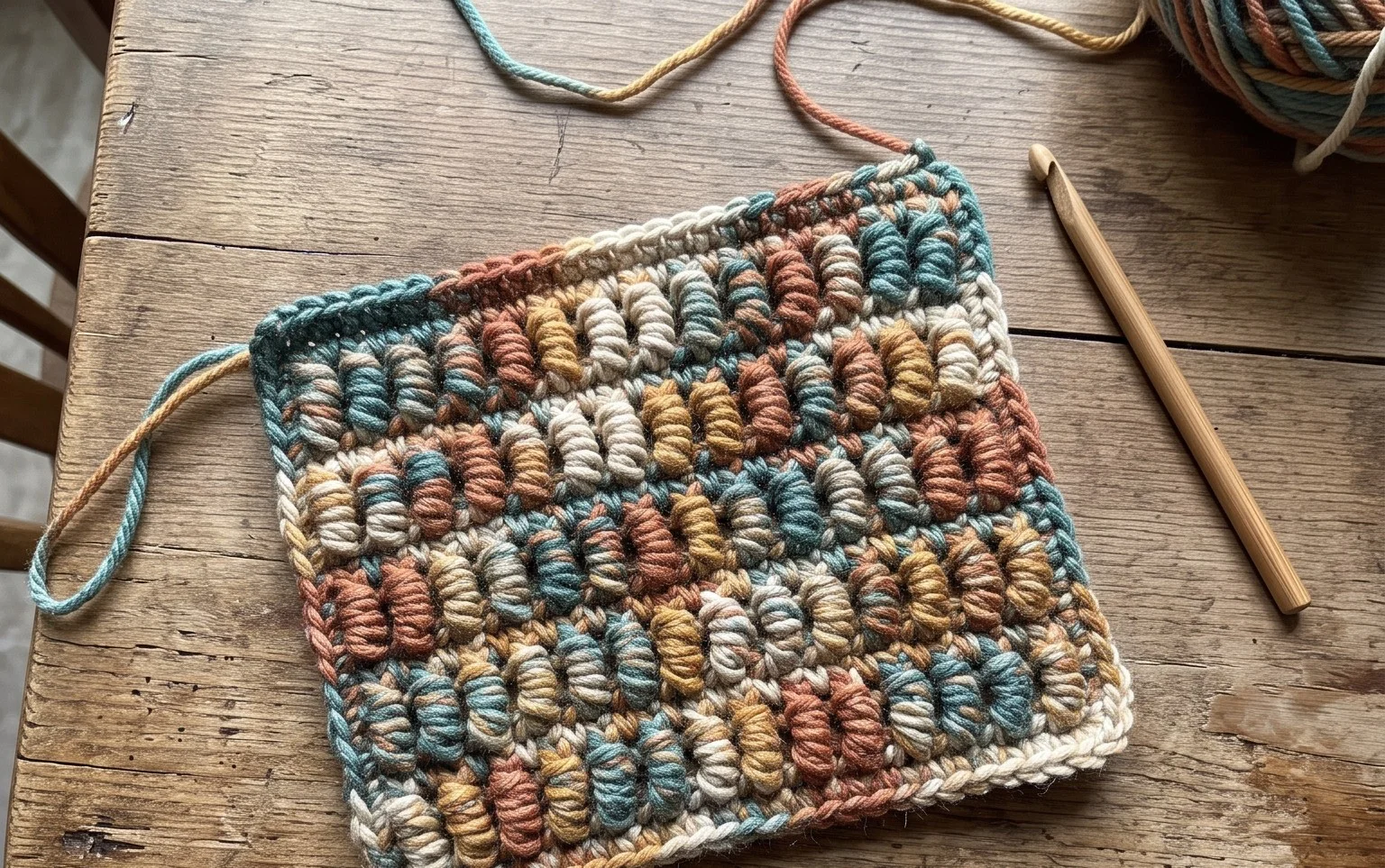
This classic crochet dishcloth relies on the timeless texture of the moss stitch, also known as the linen stitch. It creates a dense, sturdy fabric that is perfect for scrubbing dishes without losing its shape. The repetitive nature of the stitch makes this an ideal project for practicing consistency in your tension. Since it requires less than one skein of cotton yarn, it is an efficient way to use up leftover bits from larger projects. The resulting cloth is durable enough to withstand daily use and hot water washes, making it a functional addition to any kitchen.
I finished this dishcloth in just one evening while watching TV. The moss stitch is so relaxing once you get into the rhythm and it looks much more professional than a basic double crochet square.
— Sarah, home crafter
Pattern Overview & Skill Level
- Skill Level: Beginner
- Approximate Time: 1.5 to 2 hours
- Construction: Worked in flat rows, back and forth, starting from a foundation chain
- Finished Dimensions: 8 inches by 8 inches
Materials & Supplies Needed
- Yarn: Worsted weight (#4) 100% cotton yarn, approximately 60-70 yards. Cotton is essential for its absorbency and heat resistance.
- Hook Size: 5.0 mm (H-8) crochet hook.
- Notions: Tapestry needle for weaving in ends, pair of scissors.
- Yarn Substitutions: You can use a cotton-acrylic blend, but ensure the cotton content is at least 70% to maintain necessary absorbency. Using a lighter weight yarn will result in a smaller cloth unless you increase the starting chain count.
Stitch Guide & Abbreviations (US Terms)
- ch = chain
- sc = single crochet
- sk = skip
- st = stitch
- Moss Stitch: A sequence of (sc, ch 1, skip 1) repeated across the row.
Step-by-Step Pattern Instructions
This pattern is worked in multiples of 2 to ensure the pattern repeat functions correctly.
- Foundation: Chain 32.
- Row 1: Sc in the 4th ch from the hook. *Ch 1, skip 1 ch, sc in the next ch. Repeat from * across until you reach the end. Turn. (16 sc, 15 ch-1 spaces)
- Row 2: Ch 2, sc in the first ch-1 space. *Ch 1, skip the sc, sc in the next ch-1 space. Repeat from * across. Place your final sc in the space created by the turning chain from the previous row. Turn. (16 sc, 15 ch-1 spaces)
- Rows 3–30: Repeat Row 2 until the piece measures approximately 8 inches square.
- Finishing: Fasten off your yarn, leaving a 6-inch tail. Use your tapestry needle to weave the end back and forth through the stitches on the back side of the cloth to secure it. Trim any excess yarn.
Care & Washing Instructions
- Machine wash in warm water on a gentle cycle to preserve the fiber integrity.
- Lay the dishcloth flat on a clean towel to air dry, reshaping it into a perfect square while damp.
- Avoid using fabric softener, as it leaves a waxy coating on cotton fibers that reduces the cloth’s ability to absorb water.
Pro Tips & Common Mistakes to Avoid
- Tension: Cotton yarn does not have the elasticity of wool. Maintain a consistent tension by relaxing your grip on the yarn, otherwise, the cloth may become stiff or difficult to work with as you progress.
- Stitch Markers: Use a stitch marker in the first and last stitch of every row. Beginners often accidentally drop stitches at the edges, which causes the square to turn into a trapezoid shape.
- Weaving Ends: Always weave your ends in at least three different directions. Since dishcloths are subjected to frequent friction and agitation in the wash, simple back-and-forth weaving may cause the end to poke out over time.
- Adjusting Size: To make the cloth larger, simply chain a higher even number for your foundation. Note that a larger cloth will require more than one standard 2-ounce skein of cotton yarn.
Frequently Asked Questions
Can I use a different yarn weight for this pattern?
You can use DK or bulky weight yarn, but you will need to adjust your hook size accordingly and modify the number of stitches in your foundation chain to achieve the desired 8-inch width.
Why are the edges of my dishcloth uneven?
Uneven edges usually occur due to missing the final stitch of a row or skipping the turning chain space. Ensure you count your single crochets after each row to confirm you have the same amount throughout.
Is this project suitable for a complete beginner?
Yes, this is an excellent starter project. It only uses two basic techniques—the chain and the single crochet—which provides ample time to build muscle memory before moving to more complex projects.
Am I allowed to sell the dishcloths I make from this pattern?
You are welcome to sell finished items made from this pattern in small quantities. Please provide credit to the designer by linking back to this tutorial on your product listings.
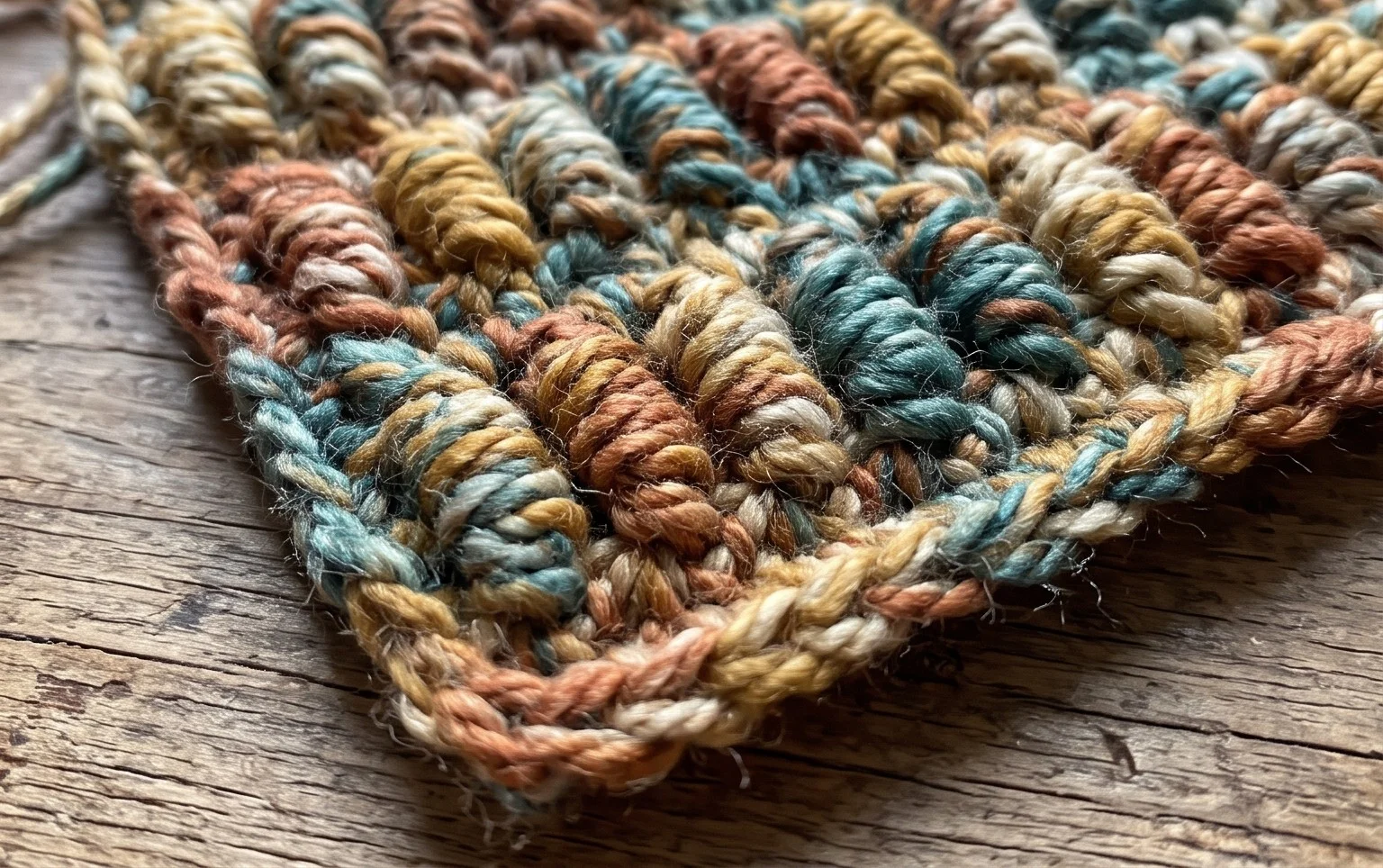
Your finished project displays a beautiful, sculptural texture that serves as a lovely addition to any room in your home. You might consider adding a second color to the outer border for a pop of brightness or adjusting the width to create a longer table runner instead of a square. Seeing your results is a real treat, so feel free to share your progress on your favorite social media platforms. I hope you enjoy browsing the rest of my library for more free patterns to fill your afternoon.